Introduction
The first time I saw “huzz”, it was in a comment under a viral post. Someone wrote, “bro pulled the huzz without trying.”
I paused. Was it a typo? A nickname? A new meme? Then I started seeing it everywhere—in group chats, comment sections, and short-form videos. Everyone seemed to know what it meant, except me.
If you’ve seen huzz online and felt confused, you’re not behind. This slang popped up fast, and its meaning depends heavily on context. Let’s break it down in the simplest way possible.
Quick Answer
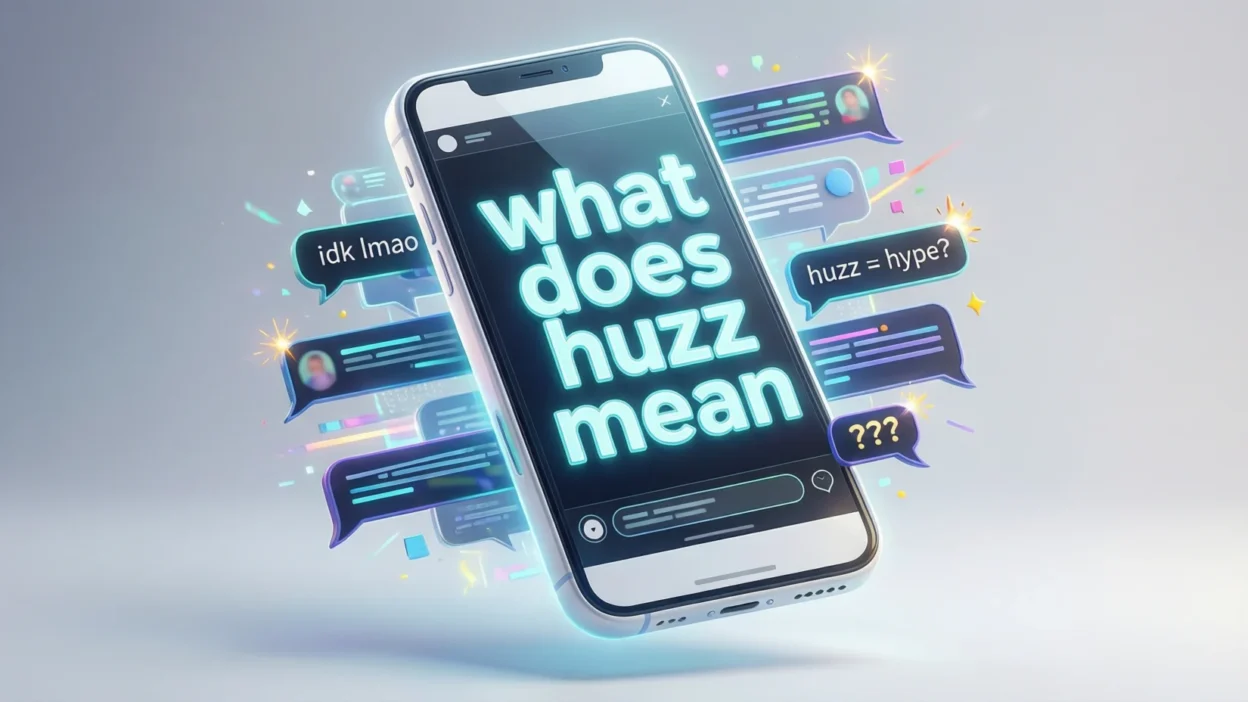
Huzz is modern slang used to refer to women or female attention, often in a casual or joking way, depending on context.
What Does Huzz Mean in Text and Online Chats?
Huzz is informal internet slang.
It’s often used to refer to women, girls, or female attention, especially in social media, meme culture, or casual chats.
The term doesn’t have a traditional dictionary origin. Instead, it comes from online slang evolution, where words get shortened, remixed, and reused for humor or shock value.
Plain-English Meaning
In simple words, huzz usually means:
- women
- girls someone is talking to
- attention from women
Why People Use Huzz
- To sound trendy or edgy
- To fit into meme culture
- To joke about dating or attention
- To keep messages short and casual
Short Example
- he started posting gym pics and suddenly the huzz noticed
Bold summary: Huzz is slang that refers to women or female attention, commonly used in casual or meme-style online conversations.
The Tone and Context of Huzz
Understanding the tone of huzz is very important.
Tone Breakdown
- Casual: yes
- Informal: yes
- Playful or joking: often
- Respectful: depends on usage
- Formal: ❌ no
The word huzz can feel humorous in one context and disrespectful in another. It’s commonly used in male-dominated online spaces, meme pages, or ironic posts.
Where Is Huzz Commonly Used?
You’ll mostly see huzz in informal online spaces rather than real-life conversations.
Common Places
- Texting between friends
- Social media comments
- Meme pages
- TikTok and Instagram captions
- Gaming chats
- Online forums
It’s rarely used in professional or polite conversation and almost never in formal writing.
Realistic Conversation Examples Using Huzz
Here are natural, lowercase examples that reflect how people actually use huzz online:
- bro changed his haircut and the huzz appeared
- he don’t even try and still pulls huzz
- posting that fit just for the huzz
- gym arc unlocked, huzz incoming
- he said one joke and the huzz laughed
- new car, new huzz energy
- that confidence got the huzz paying attention
- not him pretending he doesn’t care about the huzz
These examples show how huzz is usually used casually and often jokingly.
When to Use Huzz (and When Not To)
Because huzz can be sensitive depending on tone, knowing when to use it matters.
✅ When to Use Huzz
- In private chats with friends who understand the slang
- In joking or meme-style conversations
- When everyone involved is comfortable with informal language
- In online spaces where slang is common
❌ When Not to Use Huzz
- Around people who may find it offensive or disrespectful
- In public or professional spaces
- In serious discussions about relationships or gender
- In formal writing or school work
Context Comparison Table
| Context | Example Phrase | Why It Works / Doesn’t |
|---|---|---|
| group chat | bro pulling huzz lately | casual and joking |
| meme caption | new shoes, huzz unlocked | fits slang culture |
| workplace chat | trying to impress the huzz | inappropriate |
| respectful convo | talking about women as huzz | can feel disrespectful |
Is Huzz Offensive?
This is a common question—and the answer is it depends.
Some people see huzz as:
- ironic slang
- harmless meme language
Others feel it:
- objectifies women
- sounds dismissive or rude
Because of this, context and audience matter a lot. If you’re unsure, it’s usually better to avoid using it.
Similar Slang Words or Alternatives to Huzz
If you want safer or more neutral alternatives, here are some options.
| Term | Meaning | When to Use |
|---|---|---|
| girls | women or females | neutral, everyday |
| women | adult females | respectful, general |
| attention | interest from others | neutral tone |
| dating interest | romantic attention | clearer meaning |
| crushes | people you like | casual but friendly |
| dm attention | social media interest | informal but safer |
Using alternatives can help you avoid misunderstandings while still fitting into texting culture.
Why Huzz Became Popular Online
Slang like huzz spreads fast because:
- short words are easier to type
- meme culture rewards edgy humor
- online groups create their own language
Once influencers or viral posts start using a term, it quickly becomes part of social media slang.
Common Mistakes People Make With Huzz
Mistake 1: Using It Seriously
Huzz is usually joking slang, not meant for serious conversation.
Mistake 2: Using It Around the Wrong Audience
Not everyone understands or likes slang like this.
Mistake 3: Overusing It
Using it too much can make messages sound immature or forced.
FAQs About What Does Huzz Mean
1. What does huzz mean in texting?
It usually refers to women or female attention in a casual or joking way.
2. Is huzz a real word?
No, it’s internet slang, not a formal dictionary word.
3. Is huzz respectful to use?
It depends on context and audience. Some find it funny, others don’t.
4. Who commonly uses the word huzz?
Mostly young people, especially in meme culture and online chats.
5. Is huzz the same as women?
Not exactly. It’s a slang term and can sound less respectful.
6. Can huzz be used on social media captions?
Yes, but mostly in joking or meme-style posts.
7. Should I avoid using huzz?
If you’re unsure how it’ll be received, it’s safer to use neutral alternatives.
Final Thought
So, what does huzz mean? It’s modern internet slang used to refer to women or female attention, mainly in casual, meme-heavy online spaces.
While it can be funny among friends who understand the tone, it’s not always appropriate. Like most slang, its power—and risk—comes from context.
Knowing when to use it (and when not to) helps you stay socially aware in today’s fast-moving digital conversations.