The first time you saw NSFW might have been while scrolling social media, opening a Reddit post, or clicking a funny meme someone sent you. Maybe you noticed a warning that said “NSFW” and thought, wait… should I open this or not?
You’re not alone — tons of people see this term online but aren’t totally sure what it means or why it’s used.
The good news? The meaning is super simple. In this guide, you’ll learn exactly what NSFW stands for, how people use it in texting and online posts, and when you should use it yourself to avoid awkward moments.
Quick Answer: What Does NSFW Mean?
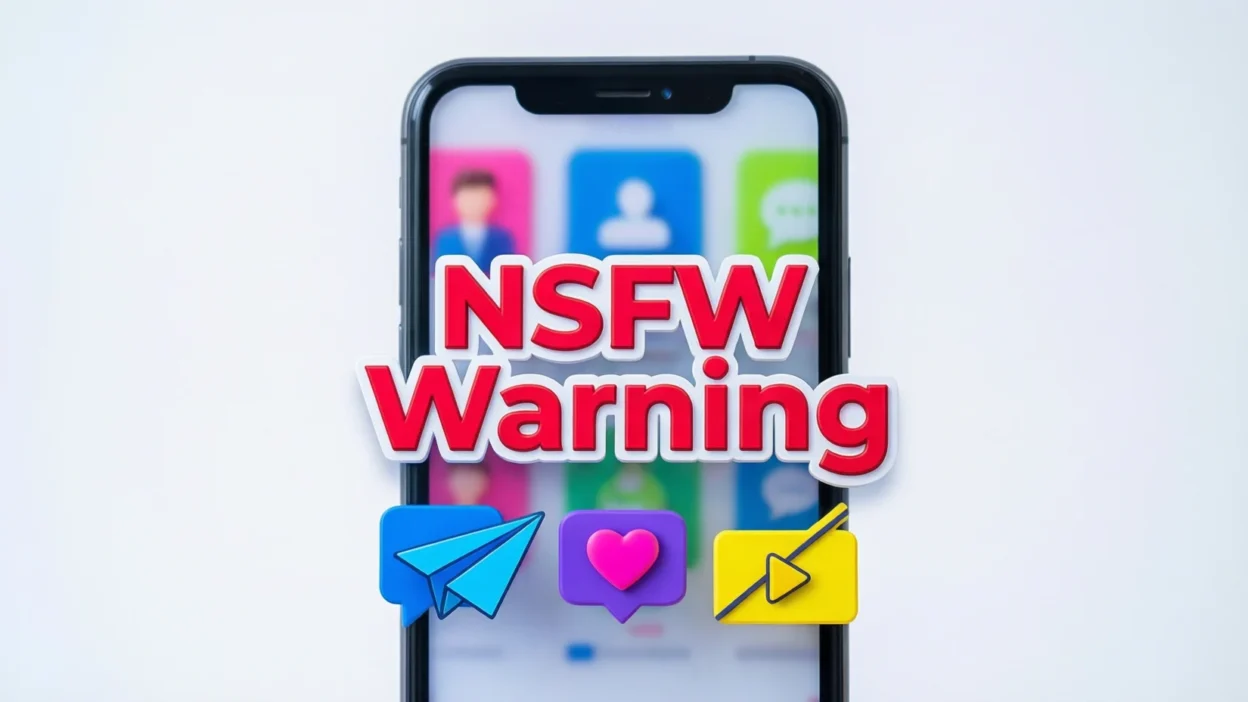
NSFW stands for “Not Safe For Work.”
It’s used to warn people that content may be inappropriate to view in public places like work, school, or around others.
This could include:
- Adult or sexual content
- Graphic images
- Strong language
- Sensitive or shocking topics
Basically, it’s a heads-up so you don’t open something embarrassing at the wrong time.
What Does NSFW Mean in Texting and Online?
Online, NSFW is like a quick warning label. When someone adds it to a message or post, they’re telling you:
👉 “Be careful opening this — it might not be appropriate everywhere.”
For example:
- “NSFW meme — don’t open at school 😂”
- “NSFW video warning before you click.”
- “This thread has NSFW content.”
People use it to protect others from surprise content that could make them uncomfortable or get them in trouble.
Where You’ll Usually See NSFW
NSFW is super common across the internet. Here are the places you’ll probably see it most:
1. Social Media
Platforms like X (Twitter), Reddit, TikTok comments, and Discord often use NSFW tags for adult jokes, edgy memes, or graphic topics.
2. Messaging Apps
Friends may send something funny or risky and add “NSFW” so you know to open it later.
3. Online Forums
Gaming forums, discussion boards, and fan communities use NSFW warnings before sharing mature content.
4. Emails or Work Chats
Sometimes people add NSFW warnings to avoid workplace problems if the content isn’t professional.
What Counts as NSFW Content?
Not everything labeled NSFW is the same. It can include different kinds of content:
Adult or Sexual Material
This is the most common use. If a video or image is sexual or explicit, it’s usually marked NSFW.
Graphic or Violent Images
Some posts show injuries, accidents, or disturbing scenes. These can be labeled NSFW to protect viewers.
Strong Language or Offensive Humor
Even memes with heavy swearing or dark jokes might get an NSFW tag.
Sensitive Topics
Some discussions about trauma, medical conditions, or controversial issues may also include warnings.
Why People Use NSFW
The internet moves fast, and people open links without thinking. NSFW helps prevent awkward situations.
It Protects Viewers
You won’t accidentally open something embarrassing in front of your boss or teacher.
It Shows Respect
Adding an NSFW tag gives people a choice before they view content.
It Helps Platforms Moderate Content
Many sites require NSFW labels to keep communities safer and more organized.
NSFW vs SFW: What’s the Difference?
You might also see SFW, which means “Safe For Work.”
Here’s the difference:
| Term | Meaning | When It’s Used |
|---|---|---|
| NSFW | Not Safe For Work | Adult, graphic, or risky content |
| SFW | Safe For Work | Clean, professional, or family-friendly content |
For example:
- “Here’s a SFW version of the meme.”
- “Warning: NSFW language in this video.”
Examples of NSFW in Real Life
Sometimes the easiest way to understand slang is to see it in action.
Text Messages
- “NSFW joke — open when you’re alone.”
- “That clip is hilarious but NSFW.”
Social Media Posts
- “NSFW warning: strong language.”
- “Thread contains NSFW images.”
Gaming Chats
- “NSFW voice chat tonight 😂”
- “This mod is NSFW — be careful.”
Should You Always Avoid NSFW Content?
Not necessarily. NSFW just means you should be careful about where and when you view it.
It might be fine to watch:
- At home
- In private
- When you’re comfortable with the topic
But you may want to avoid opening NSFW links:
- At work
- In school
- In public places
- Around family or kids
How to Use NSFW Correctly
If you’re sharing something that might be sensitive or adult-themed, adding NSFW is a smart move.
Here’s how:
- Write “NSFW” before a link or image.
- Add it in the title of a post.
- Include a short warning message.
Example:
👉 “NSFW — strong language in this clip.”
This shows respect and helps others decide if they want to view it.
Is NSFW Always About Adult Content?
Nope — this is a common misunderstanding.
While NSFW often refers to sexual material, it can also mean:
- Graphic medical images
- Extreme violence
- Dark humor
- Shocking news videos
Basically, anything that might be uncomfortable to see in public could be labeled NSFW.
Common Variations and Related Terms
You might see these terms alongside NSFW:
- NSFL — Not Safe For Life (extremely graphic content)
- 18+ — Adult-only material
- Content Warning (CW) — Warning about sensitive topics
- Trigger Warning (TW) — Alerts about emotional or disturbing content
These labels help people prepare for what they’re about to see.
Is NSFW a Bad Thing?
Not always. It’s simply a warning — not a judgment.
Some NSFW content is:
- Funny memes
- Mature jokes
- Artistic content for adults
- Honest discussions about real topics
The key is context. What’s fine with friends may not be okay in a professional setting.
Final Thoughts
So, what does NSFW mean? It stands for Not Safe For Work, and it’s basically a warning label for content that may be inappropriate to view in public or professional settings.
You’ll see it everywhere — texts, social media, forums, and emails — and it’s there to help you avoid awkward moments.
Remember, NSFW doesn’t always mean something bad or wrong; it just means you should be careful about when and where you open it.
If you’re sharing content that might be sensitive or adult-themed, adding an NSFW tag is a simple way to be respectful and responsible online.
FAQs
What does NSFW mean in texting?
It means “Not Safe For Work” and warns that a message, image, or video might be inappropriate to open in public.
Is NSFW always sexual?
No. It can also refer to graphic violence, strong language, or disturbing topics.
What is the opposite of NSFW?
The opposite is SFW, which means “Safe For Work” and refers to clean, professional content.
Should I use NSFW when sending memes?
Yes — if the meme contains adult jokes, strong language, or anything that could be awkward in public.
Is NSFW allowed on social media?
Yes, but many platforms require proper labeling and may restrict certain types of adult content.